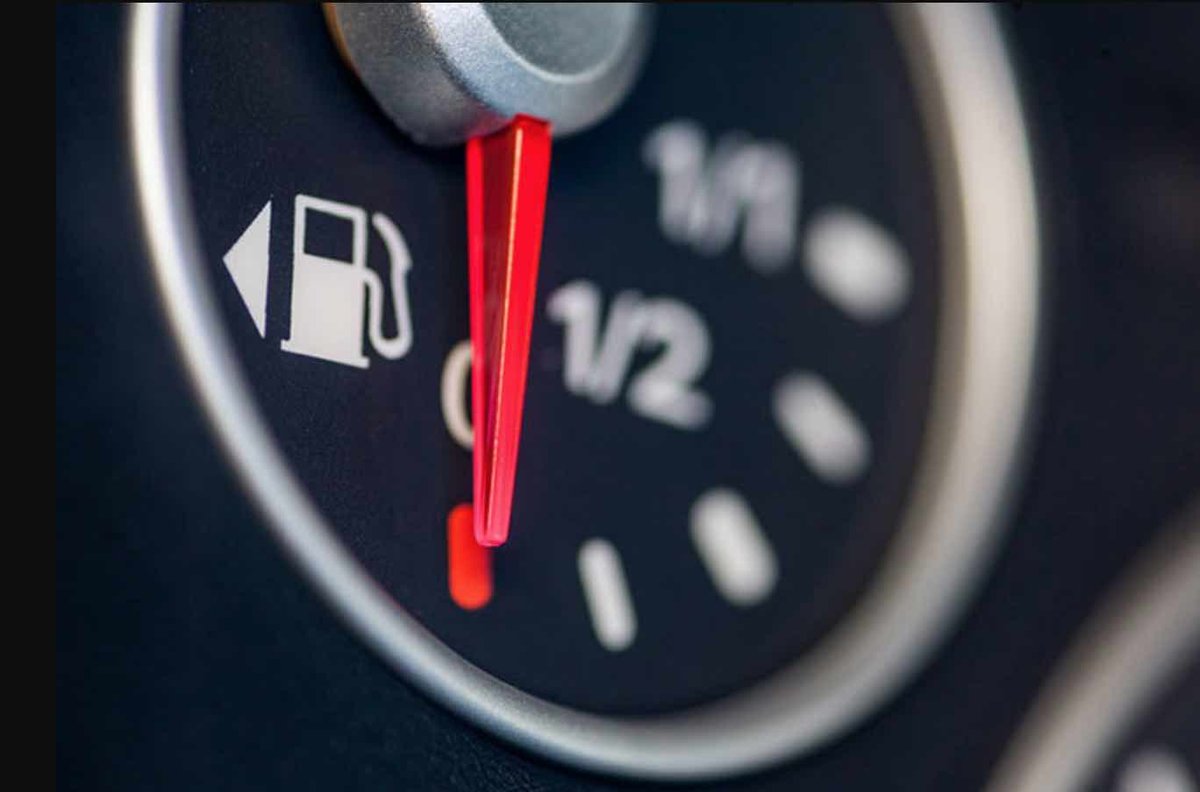
Driving isn't just about getting from point A to point B; it's about navigating the road safely, operating your vehicle efficiently, and making smart choices that impact your wallet and the environment. Whether you're commuting daily, hauling heavy loads, or embarking on a cross-country adventure, mastering a few core Safety, Operation & Fuel Efficiency Tips can transform your driving experience. This isn't just about saving a few bucks at the pump; it’s about extending the life of your vehicle, reducing your environmental footprint, and ensuring every journey is as smooth and secure as possible.
Consider this your definitive guide—a roadmap to smarter, more economical, and safer driving habits, backed by expert insights and hard data. Let's hit the road with confidence.
At a Glance: Your Road to Smarter Driving
- Mind Your Speed: Optimal fuel efficiency for most vehicles drops significantly above 60-62 mph.
- Drive Smoothly: Gentle acceleration and gradual braking save substantial fuel compared to aggressive driving.
- Avoid Idling: Your vehicle gets 0 miles per gallon while idling, costing you potentially thousands annually. Turn it off if stopped for more than 60 seconds.
- Maintain Tires: Properly inflated tires are crucial for both safety and fuel economy, preventing a 1-2 mpg loss.
- Routine Checks Matter: Don't overlook filters, spark plugs, and oxygen sensors; neglected maintenance can slash 10 mpg overall.
- Plan Your Route: Minimize extra miles and avoid traffic to keep your fuel gauge higher.
- Debunk the Myths: Higher octane fuel, morning fueling, and fuel line magnets are generally not effective for improving MPG.
- Lighten the Load: Every 50 pounds of unnecessary weight can reduce fuel economy by 1%.
The Hidden Costs of the Road: Why Every Tip Matters
Every decision you make behind the wheel, and every maintenance check you perform (or skip), has a ripple effect. It's not just about the immediate cost of fuel or a repair; it’s about the cumulative impact on your vehicle's longevity, your operational budget, and your personal safety. For owner-operator truck drivers, these factors directly hit the bottom line, affecting business sustainability. For the average car driver, they translate into significant annual savings or unexpected expenses.
Understanding the "why" behind these tips empowers you to make informed choices. Fuel efficiency, for example, is a direct measure of how well your vehicle converts fuel into motion. When efficiency drops, more fuel is wasted, leading to more frequent and costly trips to the pump. Safety, of course, is paramount; a well-maintained vehicle is a safer vehicle, and smart operational habits prevent accidents. Let's dive into the practical strategies that will make a real difference.
Mastering the Wheel: Driving Habits for Safety & Savings
Your driving style is arguably the biggest factor within your immediate control when it comes to fuel efficiency and safety. Aggressive driving isn't just dangerous; it's incredibly wasteful.
The 60 mph Sweet Spot: Optimal Speed Control
You've probably heard that driving slower saves fuel, but there's a science to it. For most cars, gas mileage decreases rapidly once you go above 60 mph. For instance, a car getting 28.5 mpg at 60 mph might drop to 25.5 mpg at 70 mph. For trucks, the optimal speed is often around 62 mph, and exceeding this by just 1 mph can reduce fuel efficiency by approximately 0.1 mpg.
- Actionable Tip: Use your speedometer as a guide. Find that sweet spot between 55-65 mph on highways where traffic flow allows. Not only will you save fuel, but you'll also reduce your risk of speeding tickets and allow more reaction time.
Smooth Operator: Gentle Acceleration & Braking
Think of your driving as a dance, not a wrestling match. Rapid acceleration and hard braking are the arch-enemies of fuel efficiency and put unnecessary strain on your engine, brakes, and tires. Aggressive driving can lower your gas mileage by up to 33% on highways and 5% in city traffic.
- Actionable Tip:
- Accelerate Gradually: Press the gas pedal lightly and build speed slowly. Imagine there's an egg under your foot that you don't want to crack.
- Brake Softly: Look ahead and anticipate stops. This gives you time to ease off the accelerator and apply brakes gently, rather than slamming them.
The Art of Deceleration: Using Momentum to Your Advantage
Instead of rushing towards a red light only to stomp on the brakes, practice the art of "coasting." When you see a light turn red or traffic slowing, simply lift your foot off the gas and let your vehicle's momentum carry you forward. This minimizes fuel consumption by allowing the engine to idle or even cut off fuel entirely (in some modern vehicles) while the car is still in motion.
- Actionable Tip: Become a forward-thinker. Look several cars ahead and anticipate traffic flow, upcoming turns, and traffic lights. This lets you coast more often, especially when approaching exits or upcoming stops.
Cruise Control: Your Consistent Companion
On long, open stretches of highway, cruise control is your best friend for maintaining a consistent speed. This consistency can save up to 0.2 mpg in trucks and generally improves fuel economy in all vehicles by preventing those slight, often unconscious, fluctuations in speed that waste fuel.
- Actionable Tip: Engage cruise control on flat or gently rolling terrain. Avoid using it in heavy traffic or on steep hills, where the engine might over-rev to maintain speed, canceling out any efficiency gains.
For Heavy-Duty Haulers: Progressive Shifting
Truck drivers, pay attention to your shifts. Modern trucks are powerful enough that you don't need to rev the engine to high RPMs before shifting. Practicing progressive shifting—shifting at lower RPMs—allows the engine to operate more efficiently, saving fuel.
- Actionable Tip: Learn your truck's optimal shift points. Many newer trucks even provide digital indicators to guide you towards more fuel-efficient shifting.
Beyond the Wheel: Smart Route Planning & Idling Habits
Sometimes, fuel efficiency isn't just about how you drive, but where and when you drive. Planning ahead can save you significant fuel and frustration.
Mapping Your Success: Avoiding Unnecessary Miles
Every mile driven costs money—between $0.50 to $0.80 per mile for owner-operator trucks. Unnecessary "out-of-route" miles add up quickly.
- Actionable Tip: Before you leave, check your route. Use GPS and mapping apps not just for directions, but to compare routes for mileage and potential traffic. Sometimes a slightly longer route that avoids congestion can be more fuel-efficient than a shorter one riddled with stop-and-go traffic.
Outsmarting Traffic & Weather
Stop-and-go traffic is a massive fuel killer. Constant braking and acceleration burn through gas faster than smooth highway driving. Weather can also play a subtle role: denser cold air can slightly impact fuel economy, and strong headwinds force your engine to work harder.
- Actionable Tip:
- Traffic Avoidance: Plan your drives during off-peak hours if possible. Check real-time traffic updates before you leave and consider alternative routes to bypass known choke points, especially in urban areas.
- Weather Watch: While you can't control the weather, you can be aware. In winter, if you're a truck driver making long hauls, consider southern routes if the mileage difference is negligible and it avoids severe cold fronts that might impact engine performance or require excessive idling.
The Idling Trap: When Zero MPG Costs You Thousands
This is perhaps one of the biggest, yet most easily preventable, sources of fuel waste. Your vehicle gets zero miles per gallon while idling. For trucks, idling can consume 1 gallon per hour and potentially cost over $10,000 annually. For cars, even shorter periods add up.
Quick Idling Rules:
- Warm-up: Don't warm up your vehicle for more than 30 seconds. Modern engines don't need extensive warming.
- Interior Comfort: Avoid idling just to heat or cool the interior when parked.
- Engine Off: Turn off the engine if you anticipate being stopped for more than 60 seconds (e.g., at extended stop lights, train crossings, drive-thrus, while waiting for loading/unloading).
- Safety First: Only idle in extreme temperatures to maintain driver or truck safety (e.g., preventing engine/fluid damage in sub-zero weather or ensuring driver safety in extreme heat).
Smart Alternatives to Idling:
- Auxiliary Power Units (APUs): For truck drivers, APUs can provide power for heating, cooling, and electronics without running the main engine.
- Diesel Bunk Heaters & Battery-Powered AC Units: These specialized units offer climate control for truck cabs with minimal fuel draw.
- Portable Generators: While not a primary solution for main cabin climate control, compact generators can offer supplemental power for various needs, further reducing the reliance on engine idling for charging or small appliances. For instance, Learn about Honda EU2200i generators which are known for their quiet operation and fuel efficiency in powering small electronics and tools.
- Dress Appropriately: In milder conditions, wearing layers or having a fan can negate the need for idling for comfort.
Your Vehicle, Your Ally: Essential Maintenance for Peak Performance
Think of your vehicle as a high-performance athlete. To perform its best, it needs regular check-ups, the right fuel, and healthy internal systems. Neglecting maintenance isn't just a breakdown risk; it's a constant drain on your fuel tank.
Tire Talk: Pressure, Type, and Your Wallet
Tires are your vehicle's connection to the road, and they significantly impact both safety and fuel economy.
- Proper Pressure: Underinflated tires are a double whammy: they reduce fuel efficiency by 1-2 mpg and drastically increase your risk of a blowout. They also wear out faster.
- Actionable Tip: Check your tire pressure regularly—at least once a month and before long trips—using a reliable gauge. Inflate to the manufacturer's recommended pressure (found on a sticker inside your driver's side door jamb or in your owner's manual), not the maximum pressure listed on the tire itself. Don't forget the spare!
- Tire Type Matters: Be aware that mud/snow tires or wider-than-standard tires increase rolling resistance and can reduce fuel economy. New tires also have slightly more resistance than worn ones initially. For trucks, consider low rolling-resistance tires that balance tread life and fuel savings.
- Actionable Tip: When replacing tires, choose types that are appropriate for your driving conditions and prioritize low rolling resistance if fuel economy is a top concern.
The Unsung Heroes: Filters, Plugs, and Sensors
These small components often go unnoticed until they fail, but their proper function is critical for efficiency. As Bret McKinney, Director of Fuel at CRST, wisely puts it, "The different parts of your truck all work together. A weak link can have an adverse effect on fuel."
- Air Filters: A clogged air filter restricts airflow to the engine, making it work harder. A clean air filter can improve gas mileage by up to 10%. (Though modern computer-controlled fuel injection systems can often compensate for restricted filters, maintaining mileage even with a dirty one, it's still best practice to replace it.)
- Actionable Tip: Check your air filter every oil change and replace it annually, or more frequently if you drive in dusty conditions.
- Spark Plugs: Worn or dirty spark plugs lead to engine misfires, which waste fuel and reduce power.
- Actionable Tip: Replace spark plugs at the intervals recommended in your owner's manual.
- Oxygen Sensor: A faulty oxygen sensor can throw off your engine's air-fuel mixture, leading to significantly increased fuel consumption—potentially decreasing mileage by 3.0 mpg.
- Actionable Tip: Pay attention to your "check engine" light. If it comes on, have your vehicle diagnosed promptly, as a faulty O2 sensor is a common culprit.
Oil's Role: The Lifeblood of Efficiency
Motor oil isn't just for lubrication; it reduces friction within your engine. Substandard or old, degraded oil increases engine friction, which directly decreases fuel efficiency by about 0.4 mpg.
- Actionable Tip: Change your motor oil regularly according to your vehicle's maintenance schedule and always use the type and viscosity recommended by the manufacturer. Synthetic oils often offer better protection and can maintain efficiency longer.
The Humble Gas Cap: A Small Leak, a Big Waste
It sounds minor, but a damaged, loose, or missing gas cap can cause 147 million gallons of gas to vaporize annually across all vehicles and reduce your efficiency by 2.0 mpg. This isn't just an urban legend; it's a real problem.
- Actionable Tip: Always ensure your gas cap is tightened until it clicks (if it's a click-type cap). If your "check engine" light comes on, and you’ve recently filled up, check your gas cap first before heading to the mechanic. Replace a worn or damaged cap immediately.
Fueling Up Smart: Don't Top It Off
When filling your tank, stop when the nozzle clicks off automatically. "Topping off" the tank can cause fuel to spill, overwhelm the vapor recovery system, and potentially damage it, leading to wasted fuel and emissions.
- Actionable Tip: Resist the urge to squeeze in those last few drops. Once it clicks, you're done.
The Cumulative Effect: Neglect Adds Up
Individually, some of these maintenance issues might seem minor. But neglecting multiple items—underinflated tires, a dirty air filter, old oil, and a faulty oxygen sensor—can lead to an overall loss of 10 miles per gallon. That’s a significant hit to your budget.
- Actionable Tip: Follow a comprehensive preventive maintenance schedule. Don't wait for something to break; proactively address these issues to ensure your vehicle is always running at its peak efficiency.
Specialized Insights for Heavy-Duty Haulers: Truck Specifications
For those who rely on heavy vehicles for their livelihood, choosing the right truck specifications can be a major factor in long-term fuel efficiency.
Transmission Choices: AMT vs. Manual
The transmission dictates how effectively engine power is delivered to the wheels. Automated manual transmissions (AMTs) have become increasingly popular because they often optimize gear shifts better than even the most skilled human drivers, leading to superior fuel efficiency.
- Actionable Tip: When purchasing or spec'ing a new truck, seriously consider an AMT for its consistent fuel savings and reduced driver fatigue.
Aerodynamics: Cutting Through the Wind
Wind resistance is a major drain on fuel, especially at highway speeds. Trucks designed with good aerodynamics and minimized tractor-trailer gaps can significantly reduce drag. Components like fairings, side skirts, and boat tails are not just cosmetic; they're engineered to reduce air resistance.
- Actionable Tip: Look for trucks with aerodynamic packages. For existing trucks, explore aftermarket aerodynamic enhancements that can be added to the tractor or trailer.
Engine Power: Just Enough, Not Too Much
While more horsepower sounds appealing, an overpowered engine for your typical load can consume more fuel than necessary. Select an engine with adequate horsepower for your typical routes and loads, avoiding options that are significantly more powerful than you need.
- Actionable Tip: Match your engine's power output to your operational requirements. Consult with experts to find the right balance between power and fuel economy for your specific hauling needs.
Separating Fact from Fiction: Debunking Fuel Efficiency Myths
The internet is rife with fuel-saving myths. Let's cut through the noise with clear, evidence-based answers to common misconceptions.
Myth: Filling Up in the Morning Saves Fuel
The Claim: Fuel is denser when cold, so if you fill up in the cool morning, you get more for your money.
The Reality: The temperature of fuel stored in underground tanks remains fairly constant, regardless of the air temperature above ground. Any minor difference in density is negligible for practical purposes.
Myth: Higher Octane Fuel Gives You Better Mileage
The Claim: Premium (higher octane) fuel makes your engine run better and improves gas mileage.
The Reality: Higher octane fuel simply indicates its resistance to "pre-ignition" or "engine ping" (detonation). If your car's manufacturer recommends regular unleaded, using premium fuel offers no benefit in performance or mileage and is a waste of money. Modern vehicles with computer-controlled engines are often designed to adjust for lower octane without damage. Only use the octane level recommended in your owner's manual.
Myth: Discount Gas Stations Sell "Slop" (Mixed, Lower-Grade Fuel)
The Claim: Brand-name gas stations offer superior fuel quality compared to cheaper, independent stations.
The Reality: Most gasoline, regardless of the station's brand, comes from the same refineries and pipelines. While brand-name stations often include specific detergent additives (which can help keep your engine clean), these generally don't affect mileage directly. Some very rare discount stations might have less rigorously maintained tanks or lower quality control, but this isn't the norm.
Myth: Magnets on Fuel Lines & Air Intake Devices Improve MPG
The Claim: Devices that attach to your fuel line or create a "whirlwind" in your air intake improve fuel atomization or mixing, leading to better mileage.
The Reality: Extensive testing by scientific bodies and consumer groups has consistently shown that these devices have no measurable effect on fuel economy. Save your money.
Myth: Fuel Additives Boost MPG
The Claim: Octane boosters or various "fuel system cleaners" will increase your gas mileage.
The Reality: While some fuel additives (like certain fuel system cleaners) can help maintain engine cleanliness and performance, they typically do not improve fuel economy beyond restoring what might have been lost due to a dirty system. Octane boosters may increase power for some vehicles but don't improve fuel economy; in fact, using that added power can reduce MPG. Again, if your vehicle manufacturer doesn't recommend them, you're likely just spending extra money for no benefit.
Everyday Wins: Additional Fuel-Saving & Safety Hacks
Beyond the major categories, a few simple habits can further contribute to your safety and efficiency goals.
Lighten Your Load: Decluttering Your Vehicle
The heavier your vehicle, the more fuel it consumes. Every 50 pounds of added weight can reduce fuel economy by 1%. Think about all the stuff accumulating in your trunk, backseat, or truck bed.
- Actionable Tip: Periodically clean out your vehicle. Remove unnecessary items like sports equipment you haven't used in months, old boxes, or heavy tools you don't need for your current trip. If you use a roof rack, remove it when not in use, as it creates significant aerodynamic drag.
Keep It Clean: The Aerodynamics of Shine
Dirt, mud, and even bug splatters aren't just unsightly; they create aerodynamic drag. A clean, waxed vehicle offers less resistance to the wind.
- Actionable Tip: Regularly wash and wax your vehicle. Not only does it look better, but it can subtly improve your MPG and protect your paint.
Consider Alternatives: Carpooling & Mass Transit
This might seem obvious, but the most fuel-efficient mile is the one you don't drive.
- Actionable Tip: For daily commutes or short errands, explore carpooling options with colleagues or neighbors. If available and convenient, utilize mass transit (buses, trains, subways) to significantly reduce your individual fuel consumption and vehicle wear and tear. Even cycling or walking for short distances can add up to big savings.
Your Next Mile Forward: Putting Knowledge into Action
Congratulations! You've armed yourself with a wealth of practical Safety, Operation & Fuel Efficiency Tips. The real power of this knowledge, however, comes from putting it into practice. Don't feel overwhelmed; start with one or two habits that resonate most with you. Perhaps it's committing to checking your tire pressure weekly, or making a conscious effort to drive more smoothly.
The journey to smarter, safer, and more fuel-efficient driving is ongoing. It requires awareness, discipline, and a willingness to adopt new habits. But the rewards—tangible savings, increased safety, and a reduced environmental impact—are well worth the effort.
So, the next time you get behind the wheel, remember these insights. Your vehicle, your wallet, and the planet will thank you. Drive smart, drive safe.